How to Read Check Engine Light Codes at Home
Posted by DIYCar Editorial Team Reviewed by DIYCar Editorial Team Review date Posted Topic: Check engine light
To read check engine light codes, connect a code reader or scan tool to the car's OBD-II diagnostic connector with the ignition on, follow the tool's prompts to list stored codes, and write them down exactly. A code is a starting point, not a verdict on a part. Look it up, check the cause pages, and have a shop diagnose anything you are unsure about.
Section of: Check Engine Light: What It Means and What to Do First
Reading the code is the first real step when the light comes on, and it needs no tools beyond a reader. This page supports our check engine light guide by showing how to get the code and what to do with it.
What an OBD-II code is
An OBD-II code is the fault the car’s computer stored when it detected a problem. EPA says the light means the system stored a fault code that a technician can read. SAE J2012 defines standardized diagnostic trouble codes, including a code format and ranges reserved for vehicle manufacturers, and SAE J1979 defines the diagnostic services test equipment uses to request them. SAE standards are paywalled, so we describe them only from the public SAE summaries.
Where the connector is
The diagnostic connector’s location depends on the car. Your owner’s manual shows it. Do not pry panels or pull wiring to search for it. If you cannot find it or the connector looks damaged, use a shop.
What a scan tool does
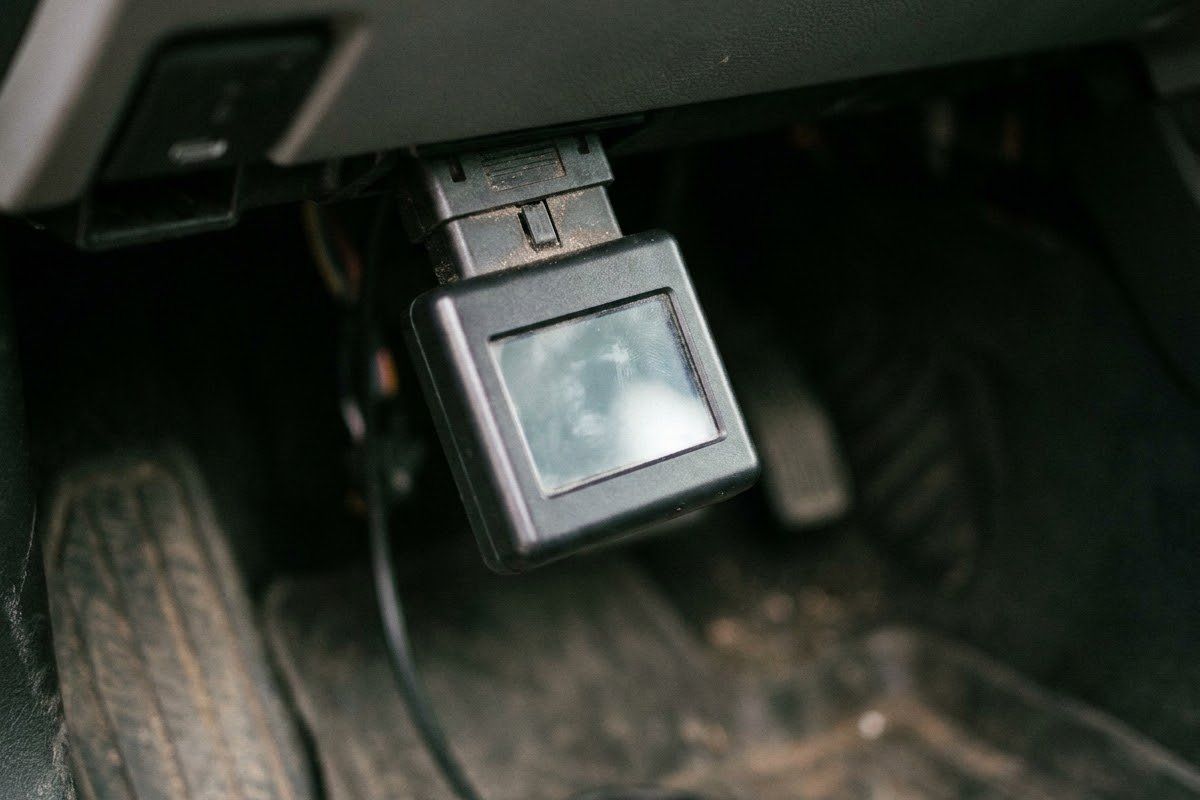
A code reader or scan tool connects to the diagnostic connector and requests the stored codes. A basic reader lists codes; a more capable tool may show extra data. A basic reader may not show manufacturer-specific information, so a shop’s tool can show more. Choose a tool that works with your car’s model year and read its instructions.
Step by step
- Park safely, set the parking brake and turn everything off.
- Find the connector using your owner’s manual.
- Plug in the reader and follow the tool’s instructions for the ignition position; many tools ask for the ignition on with the engine not started.
- Follow the tool’s prompts to read stored codes. Some tools also list pending codes.
- Write down every code exactly, with the date and how the car was behaving.
- Do not clear the codes yet. Clearing erases information a technician may need and resets readiness codes, as EPA notes.
- Unplug the tool and close the connector cover if there is one.
Reading the code
SAE J2012 defines a standard code format. The exact meaning depends on the code and sometimes on the vehicle, because SAE J2012 reserves ranges for manufacturer-specific use. Do not guess what a code means. Use the OBD-II code lookup tool to see the standard description, then check your owner’s manual or a shop for model-specific meaning.
What next
Match the code to a cause using why the check engine light is on. If the light is flashing, go straight to flashing check engine light and arrange service. Once the cause is repaired, see how to reset the check engine light. A code is a starting point for diagnosis and does not by itself say which part has failed, so avoid buying parts from the code alone.
When to use a shop
Use a shop if the light is flashing, the car runs badly, the code involves fuel, brakes, airbags or hybrid high voltage, the reader shows no code but the light is on, or you cannot identify the cause. For general safety, read the DIY safety checklist. This guide is for gasoline passenger cars; diesel differs, so see your manual.
Quick answers
Do I need a scanner to read check engine light codes?
You need something that can talk to the car's OBD system: a code reader, a scan tool or a shop's equipment. EPA says a technician can read the stored code. SAE J1979 defines the diagnostic services that test equipment uses. For a home user, a basic code reader is the usual way.
Does disconnecting the battery clear the code?
It can reset the car's OBD system, but it is not a fix and it has downsides. EPA's inspection guidance lists a recent battery disconnection or replacement as a cause of reset readiness codes, which can leave the car's self-tests not ready for an inspection. Your owner's manual may also list items to reset after a battery is disconnected. Read the code first instead.
Where is the diagnostic connector?
The location differs by vehicle, and the sources we use do not give a universal spot. Your owner's manual shows where the diagnostic connector is on your car. Look for it near the driver's seat area and check the manual's index under diagnostic connector or OBD. Do not pull on wiring to find it; use the manual.
Can a code reader fix the problem?
No. A reader shows the stored code; it does not repair anything. EPA says a technician can read the code to diagnose the problem, which means the code is a starting point. The repair depends on what is actually wrong, and a code does not say which part has failed, so diagnosis comes before parts.
What do I do if the reader shows no codes but the light is on?
Write down what the reader reports, check that the connection is secure and try again with the ignition on. If the light remains on or the car runs badly, have a shop scan it with equipment that can read manufacturer-specific data. SAE J2012 reserves ranges for manufacturer-specific codes that a basic reader may not show.
Should I write down the code before clearing it?
Yes. Record the exact code, any related data the tool shows and the date, then keep it with your car's records. A cleared code is gone and can make diagnosis harder. EPA says clearing the fault code memory also clears readiness codes, so a clear is not a repair and should wait until the cause is fixed.
Where we got this
- EPA: Frequently Asked Questions About On-Board Diagnostics (nepis.epa.gov)
- EPA: Performing Onboard Diagnostic System Checks as Part of a Vehicle Inspection and Maintenance Program (nepis.epa.gov)
- SAE International: J1979 E/E Diagnostic Test Modes (saemobilus.sae.org)
- SAE International: J2012 Diagnostic Trouble Code Definitions (saemobilus.sae.org)
Further guides
- Check Engine Light: What It Means and What to Do First
What the check engine light means, how solid and flashing differ, the first checks to make, how to get the code, and when to stop driving and see a shop.
- Flashing Check Engine Light: What It Means and What to Do
A flashing check engine light signals a severe misfire that can damage the catalytic converter. What to do now, likely causes and what to avoid.
- How to Reset the Check Engine Light (and When You Should Not)
Reset the check engine light the right way: fix the cause first, and why clearing codes or disconnecting the battery can fail an emissions inspection.
- Why Is My Check Engine Light On? Common Causes Explained
Why your check engine light is on: gas cap and vapor leaks, misfires, sensors and the catalytic converter, and why the code, not the light, names the cause