Car Maintenance Checklist: What to Check and When
Posted by DIYCar Editorial Team Reviewed by DIYCar Editorial Team Review date Posted Topic: Oil and Basics
A car maintenance checklist starts with your owner's manual, because its maintenance schedule sets what is due and when. Between services, check tire pressure, oil level, coolant level, lights and warning lights regularly. Follow the severe-service schedule if your driving fits it, and hand safety-critical jobs to a shop.
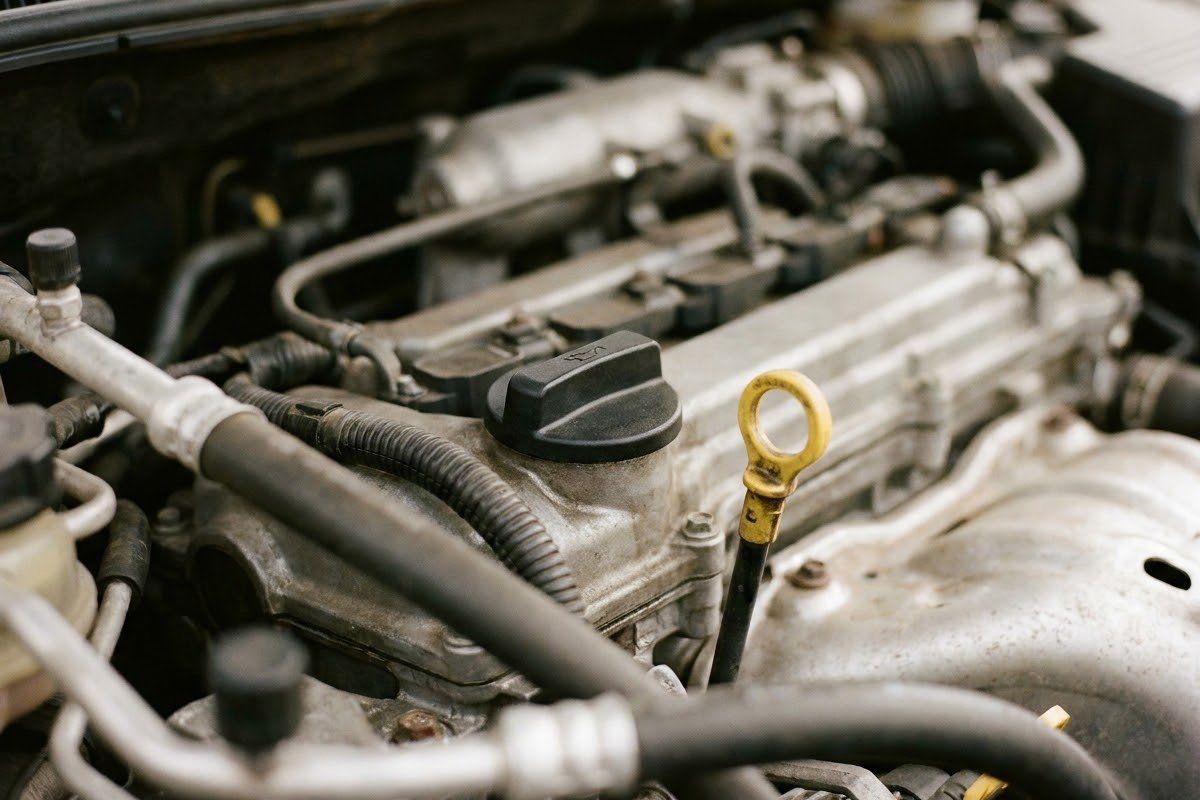
A car maintenance checklist is only useful if it matches your car. This page is the by-system version: the checks to make regularly, the jobs that follow your manual’s schedule, and which ones are reasonable to do yourself. It is for gasoline passenger cars; diesel engines differ, so follow your manual. Read safe working practices before you start any of it.
The one-minute answer: five checks that matter
- Tire pressure, against the number on the door-jamb sticker or in your manual.
- Engine oil level on the dipstick, on level ground.
- Coolant level, checked only when the engine is cold.
- Lights, including brake lights and turn signals.
- Warning lights on the dashboard when you start the car.
Start with your owner’s manual
The maintenance schedule in your owner’s manual decides what is due and when. Everything on this page is a prompt to look it up. The schedule lists items by mileage and by time, and the service is due at whichever comes first. If your driving fits the manual’s severe-usage conditions, you follow the shorter schedule.
One maker’s manual lists engine oil and filter at every 12 months or 8,000 miles normally (for one gasoline engine in its chart), and every 5,000 miles or 6 months under severe usage. It also advises keeping receipts for all vehicle services to protect the warranty. Your car’s figures will differ.
Regular checks (about monthly, or as your manual says)
| Check | What to look for | Where it is covered |
|---|---|---|
| Tire pressure | Match the door-jamb sticker or manual, not the tire’s maximum | Tire rotation guide |
| Engine oil level | Between the dipstick marks | How many quarts of oil |
| Coolant level | Between the reservoir marks, engine cold | Engine coolant guide |
| Lights | All working, lenses clean | Your manual |
| Washer fluid | Topped up | Your manual |
| Warning lights | None lit after start-up | Check engine light |
Tire pressure is worth the trouble: the Department of Energy says under-inflated tires can lower gas mileage by about 0.2% for every 1 psi drop in the average pressure of all tires, and that you should not use the maximum pressure on the sidewall.
Jobs by system
Each system has its own guide, and the manual sets its interval.
- Engine oil and filter: how to change oil, what your manual says about oil changes, how often to change synthetic oil and how many quarts of oil.
- Spark plugs: how to change spark plugs.
- Coolant: engine coolant guide.
- Brakes: brake pads guide; to see how a pad is measured, read brake pad thickness.
- Tires: when to rotate your tires; for the steps, see rotating tires at home.
- Battery: how to replace a car battery.
- Warning lights: check engine light.
Severe-service driving
If your driving matches the manual’s severe conditions, follow its shorter schedule. The manual we cite lists, among others: repeated trips under 5 miles in normal temperatures (10 miles in freezing temperatures), extensive idling or low-speed driving, rough, dusty or salt-treated roads, very cold weather, heavy traffic, towing and frequent stop-and-go driving. It also recommends the severe schedule after 10 years or 100,000 miles. Check your own manual’s conditions.
What you can do yourself and what to hand to a shop
| Usually reasonable for a beginner | Hand to a shop |
|---|---|
| Tire pressure, fluid level and light checks | Airbag and other restraint-system work |
| Oil and filter change, with jack stands or ramps | High-voltage hybrid or electric components |
| Battery check and replacement, per your manual | Brake work you are unsure about, or any soft pedal |
| Air filter and wiper replacement | Anything needing a tool or software you do not have |
You will need the right gear: see the basic tool kit, and the jacking guide for any job that lifts the car.
A printable checklist
Print this page: the table above and the list of jobs are laid out to print. Add the date and mileage next to each job you do. The oil change interval estimator can help you plan the oil.
Keep records
Write down the date, mileage, parts and fluids for every job, and keep receipts for work a shop does. A simple log is the easiest way to know what is due, and one maker advises receipts as protection for the warranty. New to the site? The start here guide puts the jobs in order.
All Oil And Basics guides
- Basic Tool Kit for Car Maintenance: What a Beginner Needs
A beginner's tool kit for car maintenance: start with the manual and a tire gauge, then sockets, a torque wrench, stands and safety gear. Skip the rest.
- DIY Car Safety: The Rules Before You Touch Anything
DIY car safety rules for beginners: supporting the car, hot fluids, batteries, carbon monoxide, PPE, disposal, and when to stop and call a shop.
- How Many Quarts of Oil Does My Car Need?
How many quarts of oil your car takes is listed in the owner's manual for your exact engine. Where to find it, and how to fill and check the level.
- How Often to Change Oil: What the Manual Says and Why
How often to change oil depends on your owner's manual, your driving conditions and the oil used. See normal vs severe schedules and what to check.
- How Often to Change Synthetic Oil (and What Changes vs Conventional)
How often to change synthetic oil is set by your owner's manual, not the label on the bottle. See what the oil type changes and what it does not.
- How to Change Oil in a Car: Step-by-Step for Beginners
How to change your own engine oil safely: the manual-first checks, the order of the job, used-oil disposal and when to hand the car to a shop.
- How to Jack Up a Car Safely: Jack Points, Stands and Ramps
How to jack up a car safely: use the manual's jack points, firm level ground, then support the car on jack stands or ramps before going under.
Quick answers
How often should I service my car?
As often as your owner's manual's maintenance schedule says, using whichever comes first, mileage or time. Schedules list each item at set intervals, and many include a shorter severe-usage schedule. Manuals differ, so a friend's figures may not match your car. Look up the schedule for your exact vehicle, and write down every service you do.
What maintenance can a beginner do at home?
Checks first: tire pressure, fluid levels, lights and warning lights. Then the jobs our guides cover for beginners, such as an oil change, with the safety steps in place. Leave brake work you are unsure about, airbag and high-voltage hybrid or electric systems, and anything needing special tools or software to a shop.
Is a maintenance schedule the same for every car?
No. Intervals depend on the engine, the fluids and parts specified, and your driving conditions. One maker's manual lists engine oil at each 12 months or 8,000 miles normally and every 5,000 miles or 6 months under severe usage for the engine it charts. Another maker's numbers will differ. Always use the schedule in the manual for your car.
What happens if I skip maintenance?
Skipped maintenance can mean worn parts, and one maker advises keeping service receipts to protect the warranty, so gaps in records can matter. We do not put a cost or failure rate on skipping, because we have no source for one. Ask the maker or a shop about your car's warranty terms.
Do I follow the normal or the severe schedule?
Follow the severe schedule if any of the conditions in your manual apply to your normal driving. The manual we cite lists repeated short trips of less than 5 miles (10 miles in freezing temperatures), extensive idling, rough or salt-treated roads, very cold weather, heavy traffic, towing and frequent stop-and-go driving. Many everyday commutes meet at least one of these.
What should I do when the check engine light comes on?
DOE says the light indicates that something is wrong with your engine and advises having a mechanic inspect the vehicle; the cause can be as minor as a loose gas cap or more serious. If the light flashes, or the car loses power or runs badly, stop driving as soon as it is safe and arrange a repair. Read the check engine light guide for the first steps.
Where we got this
- Kia Owner's Manual: Scheduled maintenance service (normal and severe schedules) (ownersmanual.kia.com)
- Kia Owner's Manual: Maintenance under severe usage conditions (ownersmanual.kia.com)
- U.S. DOE: Maintain Your Car (fueleconomy.gov) (fueleconomy.gov)
Further guides
- DIY Car Safety: The Rules Before You Touch Anything
DIY car safety rules for beginners: supporting the car, hot fluids, batteries, carbon monoxide, PPE, disposal, and when to stop and call a shop.
- How to Change Oil in a Car: Step-by-Step for Beginners
How to change your own engine oil safely: the manual-first checks, the order of the job, used-oil disposal and when to hand the car to a shop.
- Basic Tool Kit for Car Maintenance: What a Beginner Needs
A beginner's tool kit for car maintenance: start with the manual and a tire gauge, then sockets, a torque wrench, stands and safety gear. Skip the rest.
- How Many Quarts of Oil Does My Car Need?
How many quarts of oil your car takes is listed in the owner's manual for your exact engine. Where to find it, and how to fill and check the level.
- How Often to Change Oil: What the Manual Says and Why
How often to change oil depends on your owner's manual, your driving conditions and the oil used. See normal vs severe schedules and what to check.
- How Often to Change Synthetic Oil (and What Changes vs Conventional)
How often to change synthetic oil is set by your owner's manual, not the label on the bottle. See what the oil type changes and what it does not.