Flashing Check Engine Light: What It Means and What to Do
Posted by DIYCar Editorial Team Reviewed by DIYCar Editorial Team Review date Posted Topic: Check engine light
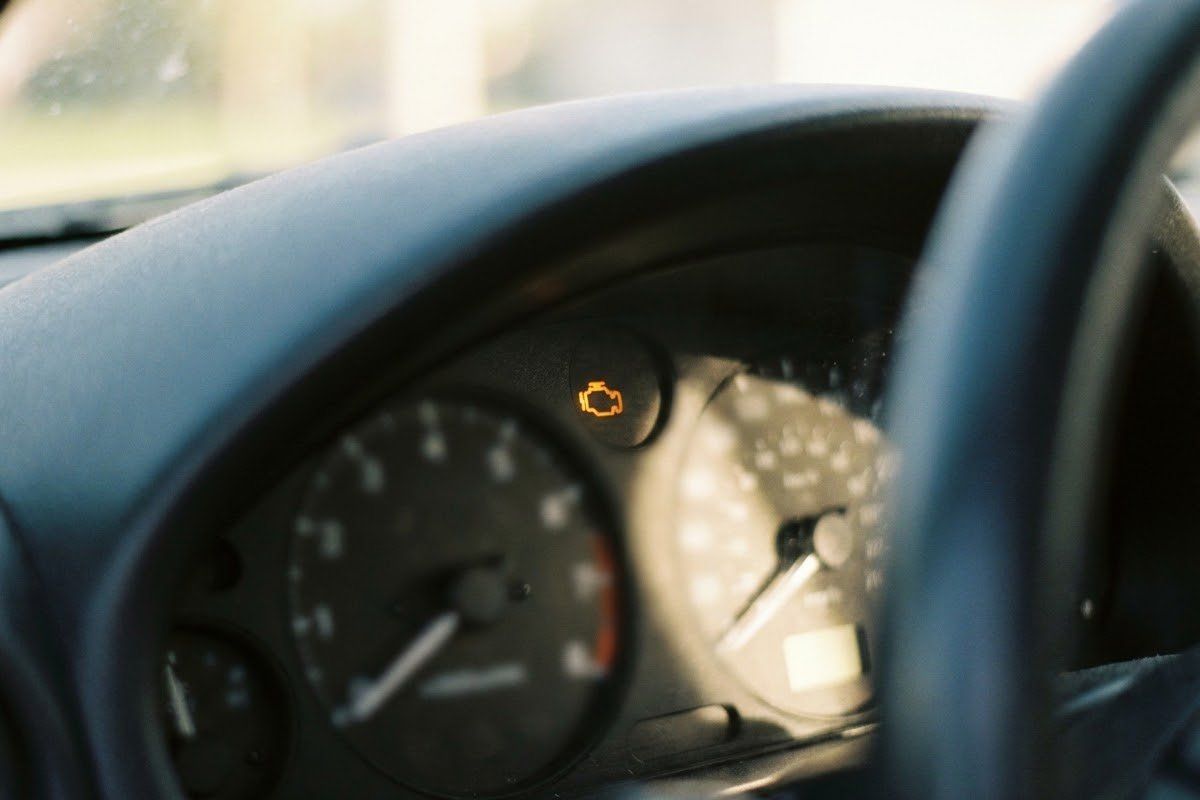
A flashing check engine light indicates a rather severe engine misfire, according to EPA. EPA says to reduce speed and get the car serviced as soon as possible, because a severe misfire can seriously damage emission control parts, especially the catalytic converter. The safest course is to pull over when it is safe, stop driving and call a shop or a tow, especially if the car shakes badly, loses power, smells of fuel or overheats.
Section of: Check Engine Light: What It Means and What to Do First
A flashing check engine light is the urgent version of the warning. It is part of the larger topic in our check engine light guide, and it deserves faster action than a steady light.
Short answer: a severe misfire, so reduce load and get service soon
EPA says a flashing light indicates a rather severe level of engine misfire. EPA says to reduce speed and get service as soon as possible; we add that the safest course is to stop and call a shop or tow. If the car is also shaking badly, losing power, smelling of fuel or overheating, pull over safely and stop driving.
Why it is urgent
EPA says a severe misfire, even over a short period, can seriously damage components such as the catalytic converter. That is why a flashing light is treated differently from a steady one. Your owner’s manual may add its own wording about the light; read the warning-light section and follow it.
What to do now
- Ease off. Reduce speed, as EPA advises. We also suggest avoiding hard acceleration, heavy load and towing.
- Find a safe place to stop if the car runs badly, shakes, loses power or you see smoke or smell fuel. Turn on hazard lights.
- Check for other warnings such as oil pressure, temperature or battery lights, and stop if a red warning shows.
- Do not keep driving far. Get to a shop by the shortest safe route, or arrange a tow.
- Note what happened: when it started, how the car felt, and what you were doing. A technician can use it.
- Have the code read. See how to read check engine light codes or use the OBD-II code lookup tool once you have it.
Likely causes
A misfire means one or more cylinders are not firing properly. The usual suspects are the ignition parts and the fuel delivery parts, which are the same parts a technician would check first. See bad spark plug symptoms and changing the plugs yourself. The code tells you which cylinder, if the car stores that information; the code alone does not tell you which part has failed, so diagnosis matters before you spend money on parts. See why the light comes on.
What not to do
- Do not keep towing or driving hard. EPA’s guidance is to reduce speed and get service as soon as possible; avoiding loads is our added caution.
- Do not clear the code and ignore it. EPA says clearing the fault code memory also clears readiness codes, so a clear is not a repair. See how to reset the check engine light.
- Do not guess and replace parts without a diagnosis.
- Do not work under the car to chase a misfire. For safe work see general job safety rules.
Stop and use a shop
Use a shop right away if the light is flashing, the car runs badly, you smell fuel, or the engine overheats. This guide is for gasoline passenger cars; diesel differs, so see your manual.
Quick answers
Can I drive to the shop with a flashing check engine light?
Safest is to pull over when it is safe, stop driving and call a shop or tow. If you must move the car, go only a short distance, gently. EPA says to reduce speed and get service as soon as possible because a severe misfire can seriously damage the catalytic converter. If the car shakes badly, loses power, smells of fuel or overheats, stop safely and call for a tow. If the light stops flashing, it is still stored as a fault.
Can I tow with a flashing light?
Avoid it. This is our caution: pulling a load adds work for an engine that is already misfiring. EPA says to reduce speed and get service as soon as possible. If you need to move a trailer, wait until the car is diagnosed and repaired. If the car itself cannot be driven safely, have it towed on a flatbed or by a service that can lift it.
Why does a misfire damage the catalytic converter?
EPA says a severe misfire over only a short period can seriously damage emission control components, especially the catalytic converter. EPA does not give the full mechanism on that page, so rely on its direction: reduce speed and get the car serviced as soon as possible rather than continuing to drive hard or for a long distance.
What is the difference between a flashing and a steady light?
A steady light means a fault code is stored and the car needs service, but EPA says it is not a signal to stop the vehicle. A flashing light, by EPA's description, indicates a rather severe level of engine misfire and a more urgent response. Read the code either way, and see our check engine light guide.
Should I clear the code and keep driving?
No. Clearing the code does not fix the cause. EPA says clearing the fault code memory also clears the readiness codes, which can complicate an emissions inspection. A misfire left unrepaired can damage the catalytic converter. Read the code first, record it, and have the cause diagnosed before you clear anything.
Can a loose gas cap cause a flashing light?
EPA ties a loose gas cap to a steady light from a vapor leak, not to a misfire. A flashing light points to a misfire, so tightening the cap is not the fix. Check the cap anyway, then treat the flashing light as urgent, reduce speed and arrange service as soon as possible.
Where we got this
Further guides
- Check Engine Light: What It Means and What to Do First
What the check engine light means, how solid and flashing differ, the first checks to make, how to get the code, and when to stop driving and see a shop.
- How to Read Check Engine Light Codes at Home
How to read check engine light codes: what an OBD-II code is, how a code reader connects, how to write down the code, and what to do with it next.
- How to Reset the Check Engine Light (and When You Should Not)
Reset the check engine light the right way: fix the cause first, and why clearing codes or disconnecting the battery can fail an emissions inspection.
- Why Is My Check Engine Light On? Common Causes Explained
Why your check engine light is on: gas cap and vapor leaks, misfires, sensors and the catalytic converter, and why the code, not the light, names the cause