How Often to Change Spark Plugs (by Plug Type)
Posted by DIYCar Editorial Team Reviewed by DIYCar Editorial Team Review date Posted Topic: Spark plugs
Change spark plugs at the interval in your owner's manual. That figure is set by the vehicle maker for your engine and the plug it specifies, so it overrides any general rule. Plug material matters: NGK says standard nickel plugs need replacing earlier than precious-metal plugs such as platinum and iridium. Do not wait for a flashing check engine light.
Section of: How to Change Spark Plugs: A Beginner's Step-by-Step Guide
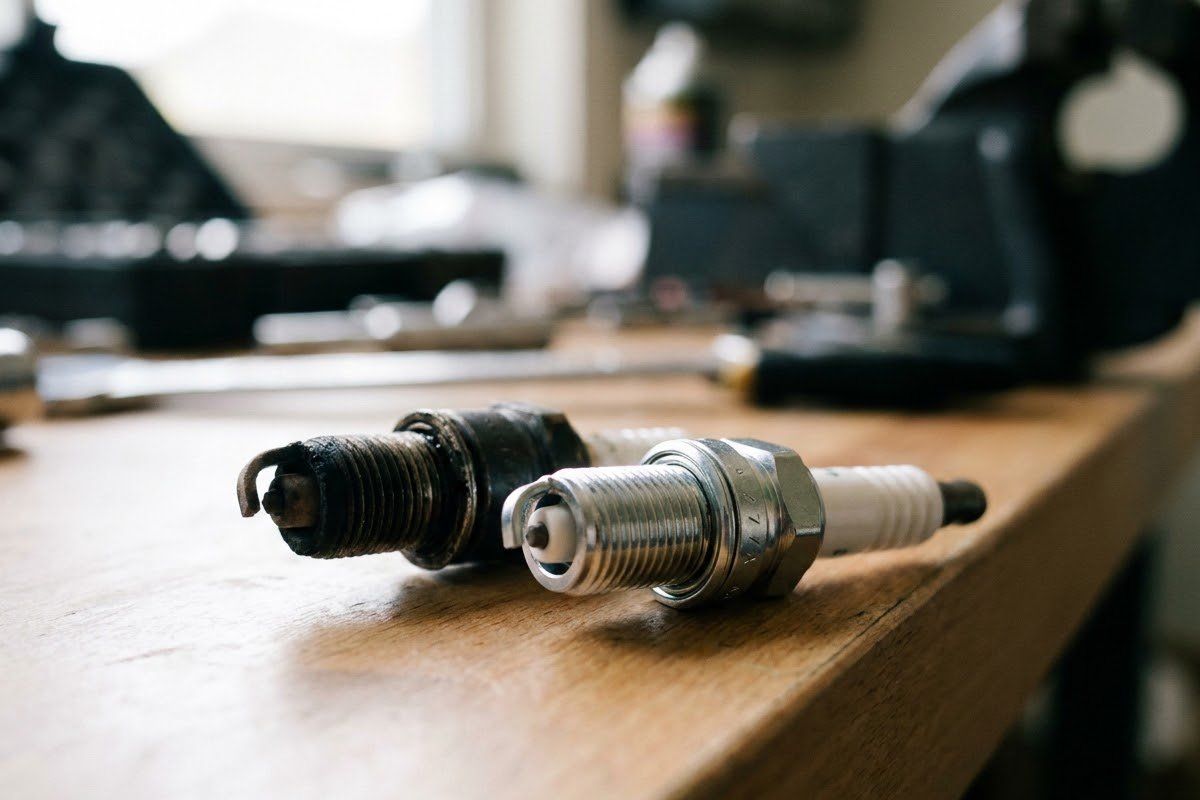
The replacement interval for your spark plugs is the one in your owner’s manual. It is part of the same spark plug replacement guide that explains the job itself, and it overrides any rule of thumb on this page. Below is how plug material affects wear, what late plugs look like and how to find your own number.
Short answer: your manual’s interval
Open the maintenance schedule in the owner’s manual, or find it on the vehicle maker’s owner portal. It lists when to replace plugs for your engine, sometimes in both miles and years. The site does not publish a universal mileage because published figures differ widely and depend on the engine and the plug fitted. If a shop quotes a different interval, ask which source it comes from.
Plug material changes how fast plugs wear
NGK says standard nickel plugs need replacing earlier than precious-metal types. It describes platinum as more durable than standard nickel and iridium as six times harder and eight times stronger than platinum. The material is only one input; the maker’s interval for your engine already assumes the plug it specified. For the differences, see iridium vs platinum vs copper spark plugs.
Signs you are early or late
Late plugs can cause the symptoms NGK lists: reduced fuel economy, rough idling, misfiring and difficulty starting. The same signs can have other causes, so a worn plug is not the only possible explanation and a diagnosis matters. If you suspect plugs, read bad spark plug symptoms before buying parts. New plugs do not fix problems that lie elsewhere.
Turbo and direct-injection engines
Your manual may list a different interval or a specific plug for a turbocharged or direct-injection engine. Read the maintenance schedule for a note on turbo, severe-service or towing use and follow the interval that matches how you drive. We give no number because it differs engine by engine.
Do not wait for a flashing check engine light
If the check engine light comes on, fueleconomy.gov advises having the vehicle inspected by a mechanic. A flashing light is more urgent; your owner’s manual explains what it means for your car. Read flashing check engine light and the check engine light guide for first steps, and use the safety basics page before any hands-on work.
A short routine for finding your own interval
- Open the owner’s manual to the maintenance schedule and find the spark plug line for your exact engine.
- Note whether it lists miles, years or both, and whether a separate severe-service schedule applies to how you drive.
- Write the due point on your maintenance log next to the date and odometer reading of the last change.
- If you bought the car used and have no record, treat the plugs as unknown age and ask a shop to inspect them rather than guessing.
Questions to ask a shop
- Which source gave this interval, my manual or a general rule?
- Is the plug being fitted the type the manual specifies for this engine?
- Are the coils and boots being inspected at the same visit?
- Can I see the old plugs?
Common mistakes
- Changing plugs on a rule of thumb that ignores the manual.
- Fitting a different plug material than the manual specifies.
- Ignoring a misfire because the car still drives.
- Replacing plugs to fix a symptom without a diagnosis.
Quick answers
Do spark plugs wear out if I rarely drive?
Mileage is only one measure, so check whether your owner's manual gives a time limit as well as a mileage. If the schedule lists both, follow whichever applies to your driving. If it lists only miles and the car sits for long periods, ask a shop to inspect the plugs at your next service.
Can I change only one spark plug?
You can replace a single plug that is damaged, for example after a diagnosed fault, but the interval in your manual applies to the set. If one plug is fouled or failed, have the cause diagnosed before fitting a new one. At the scheduled interval, follow your manual for the whole set.
Is there one mileage that fits every car?
No. The interval depends on the engine and the plug specified for it, and published figures vary widely between sources. This page does not quote a universal number for that reason. Your owner's manual states the figure for your engine; if you do not have the paper copy, the vehicle maker's owner portal provides it.
Do iridium plugs last forever?
No. NGK describes iridium as six times harder and eight times stronger than platinum, but it still advises following the maker's recommended intervals, so treat every plug as a wear item. Replace plugs on the schedule in your manual, and keep a note of the date and odometer reading.
Do turbo and direct-injection engines need plugs sooner?
Possibly, and only your manual can say. The maker may set a different interval or require a specific plug for these engines. We do not state a figure because it differs by engine. Look for a severe-service or turbo note in your owner's manual's maintenance schedule, and follow whichever interval it gives for the way you drive.
What happens if I change plugs too late?
Worn plugs can cause the symptoms NGK lists: reduced fuel economy, rough idling, misfires and hard starting. A flashing check engine light is urgent: follow your owner's manual, have the car inspected promptly rather than driving on, and see our guide to a flashing check engine light.
Where we got this
Further guides
- How to Change Spark Plugs: A Beginner's Step-by-Step Guide
How to change spark plugs on a gasoline car: check the manual first, work one cylinder at a time, torque to spec, and know when to stop and call a shop.
- Bad Spark Plug Symptoms: Misfires, Hard Starts and More
Bad spark plug symptoms include rough idle, misfires, hard starting and poor fuel economy. See what else causes them and when to stop driving.
- Iridium vs Platinum vs Copper Spark Plugs: Differences
Iridium vs platinum vs copper spark plugs: what each material is, how it wears, why your manual's specified plug matters and why we publish no rankings.