Bad Spark Plug Symptoms: Misfires, Hard Starts and More
Posted by DIYCar Editorial Team Reviewed by DIYCar Editorial Team Review date Posted Topic: Spark plugs
Bad spark plugs commonly cause a rough idle, engine misfires, difficulty starting and reduced fuel economy, according to NGK. The same signs can have other causes, so a diagnosis matters before you buy parts. A flashing check engine light is urgent: follow your manual and see a shop.
Section of: How to Change Spark Plugs: A Beginner's Step-by-Step Guide
Worn or fouled spark plugs make an engine run badly, but so do several other parts. This page lists the symptoms plug makers name, the lookalike causes and the point where you should stop and have a shop look. If the symptoms fit and your plugs are due, the spark plug replacement guide covers the job.
The common symptoms
NGK lists these symptoms of worn spark plugs:
- Rough idling.
- Engine misfiring.
- Difficulty starting the engine.
- Reduced fuel economy.
None of these proves the plugs are at fault. Compare the plug interval in your manual with your car’s history; see when plugs are due.
Other causes that look the same
fueleconomy.gov says that when fuel economy is excessively low, a mechanic may check ignition timing and, in extreme cases, compression and fuel injectors, and also lists the air cleaner element, vacuum hoses and emission controls among other checks. So other parts can produce the same signs as bad plugs. Replacing plugs first is reasonable only when they are due or visibly worn; otherwise get a diagnosis.
A flashing check engine light is urgent
If the check engine light comes on, fueleconomy.gov advises having the vehicle inspected by a mechanic. Your owner’s manual explains what a flashing light means for your car; treat it as urgent and have the car checked promptly. Read flashing check engine light and the check engine light guide; do not keep driving on a flashing light.
How to inspect
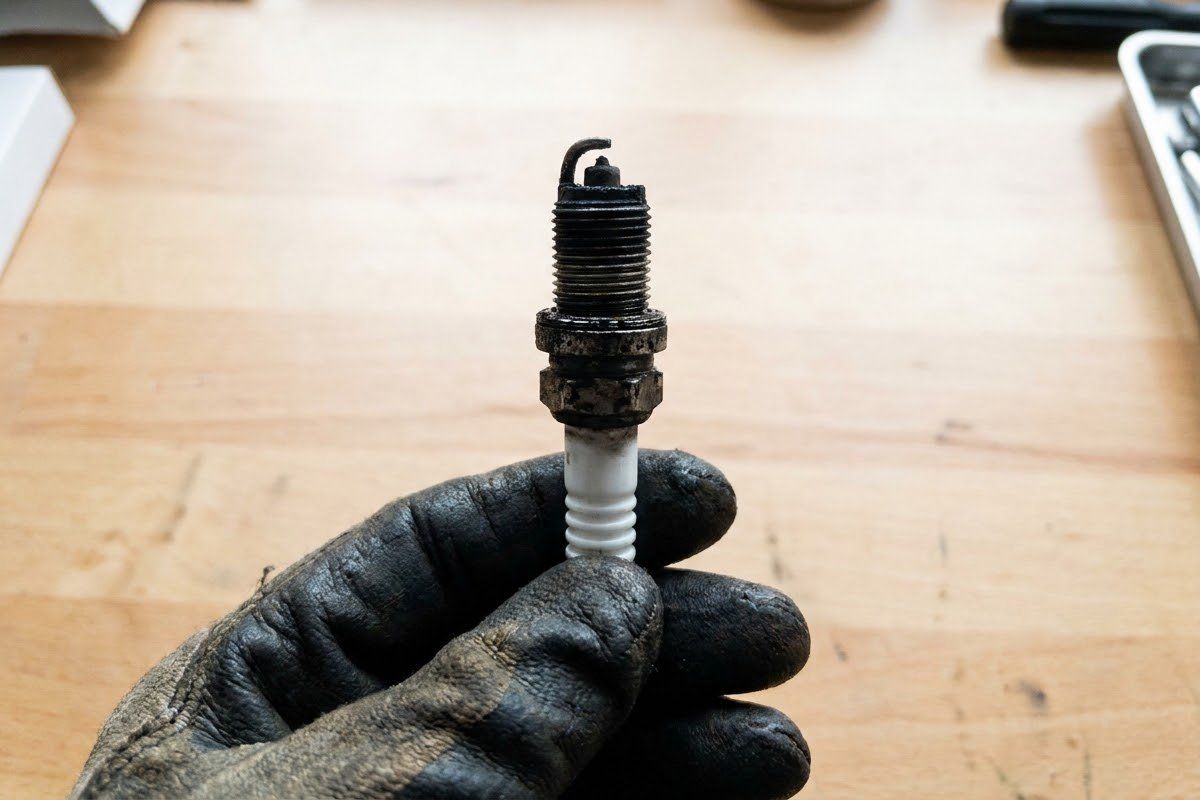
With a cool engine, remove one plug at a time following the manual and compare. fueleconomy.gov lists what an inspection looks for: wet plugs, cracks, wear, improper gap, burned electrodes and heavy deposits. A wet plug is worth mentioning to a shop. Keep the cylinder order straight. Read our pre-job safety rules before you start.
Next step
If the plugs are worn or due, replace them with the exact type your manual specifies; see spark plug types for how materials differ. If they look fine, read the code or take the car to a shop. Stop and use a shop for any flashing light, fuel smell, loss of power or a plug that will not come out.
What to check before you blame the plugs
- Note when the symptom happens: cold start, idle, under load or all the time.
- Check whether the check engine light is on, and read the stored codes if you can; see how to read check engine light codes.
- Compare the symptom with the last service date in your log.
- Look at the simple things first, and check your manual’s maintenance schedule.
- If the light is flashing or the car shakes hard, stop driving it and call a shop.
Common mistakes
- Replacing all plugs to fix one cylinder’s misfire without finding the cause.
- Pulling plugs from a hot engine, which risks burns.
- Skipping the manual’s plug type and gap instructions.
- Clearing the code instead of finding the fault.
Quick answers
Can bad plugs damage the catalytic converter?
We have no primary source on catalytic converter damage from a misfire, so this page makes no claim about it. Your owner's manual explains what a flashing check engine light means for your car. Treat a flashing light as urgent and have the car checked promptly.
How do I know which cylinder misfires?
A code reader or a shop can read the stored trouble codes; see our guide to reading check engine light codes. A code is a starting point for diagnosis, not a final answer, so have the cause confirmed before replacing parts.
Is a rough idle always a spark plug problem?
No. NGK lists rough idling among worn plug symptoms, but other parts can cause the same signs. For poor fuel economy, fueleconomy.gov lists checks of ignition timing, vacuum hoses and fuel pressure, and says extreme cases may involve poor compression or faulty fuel injectors. Get the cause confirmed before replacing parts at random.
Will new spark plugs fix my misfire?
Only if the old plugs were the cause. If the plugs were fine, new ones will not help. Have the cause diagnosed and compare the cylinder's old plug with the others. If the plugs look fine, the fault may lie elsewhere, so a shop should check the ignition and fuel systems before you buy more parts.
Can I keep driving with a misfire?
If the check engine light is flashing, no: follow your owner's manual and arrange an inspection promptly. If the light is steady, fueleconomy.gov advises having the vehicle inspected by a mechanic. Stop and use a shop for a misfire together with a fuel smell or a loss of power.
How can I check my own plugs?
Remove one plug following your manual and compare it with the others. Look for wet plugs, cracks, wear, improper gap, burned electrodes and heavy deposits, which fueleconomy.gov lists among ignition checks. Follow your manual's procedure and let the engine cool first. If any plug resists, stop; our spark plug guide lists when to use a shop.
Where we got this
- NGK Spark Plug: You asked, NGK answers (spark plugs) (ngkntk.com)
- U.S. Department of Energy, fueleconomy.gov: Frequently asked questions (fueleconomy.gov)
- U.S. Department of Energy, fueleconomy.gov: Maintenance and tire pressure (fueleconomy.gov)
Further guides
- How to Change Spark Plugs: A Beginner's Step-by-Step Guide
How to change spark plugs on a gasoline car: check the manual first, work one cylinder at a time, torque to spec, and know when to stop and call a shop.
- How Often to Change Spark Plugs (by Plug Type)
How often to change spark plugs: the answer is your owner's manual interval. See how plug material affects wear, the signs of late plugs and what to check.
- Iridium vs Platinum vs Copper Spark Plugs: Differences
Iridium vs platinum vs copper spark plugs: what each material is, how it wears, why your manual's specified plug matters and why we publish no rankings.