Coolant Types and Colors: OAT, HOAT, IAT and Why Color Misleads
Posted by DIYCar Editorial Team Reviewed by DIYCar Editorial Team Review date Posted Topic: Coolant
Coolants are sold under many specification names and chemistry labels, and dye color is not something to buy by. Your owner's manual names the coolant your engine needs; one automaker's manual, for example, specifies a phosphate-based ethylene-glycol coolant. Buy the product whose label states the specification in your manual, and do not mix coolants unless the manual or label says they are compatible.
Section of: Engine Coolant (Antifreeze) Guide: Types, Colors, Safety
Choosing coolant by color is a common mistake. This page explains the type names you will see and why the specification in your owner’s manual is what you buy. It supports the engine coolant guide; see also is coolant the same as antifreeze and how to flush coolant. We name no brands as recommendations.
Colors are not a standard
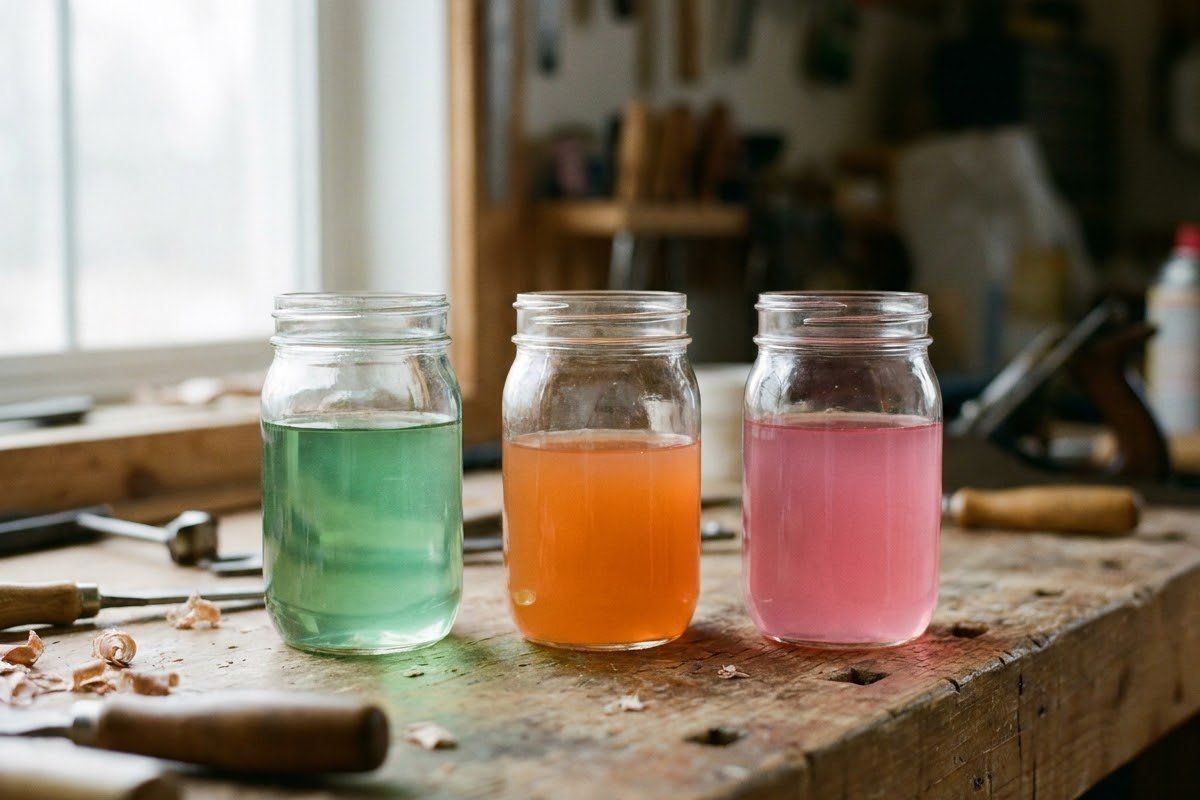
Do not choose coolant by color. The automaker’s owner’s manual we cite specifies its coolant by chemistry, a phosphate-based ethylene-glycol coolant, not by color, and your manual will name the specification your engine needs. We have no official source describing a color standard, so we make no claim about what any color means. Treat color as a label for the eye, not a specification.
Chemistry types: IAT, OAT and HOAT
You may see the abbreviations IAT (inorganic additive technology), OAT (organic acid technology) and HOAT (hybrid organic acid technology) on labels. We do not describe which metals each protects or how long each lasts, because we have no official source we can open for those claims; your manual and the product label are the references.
Maker specifications
Coolant specifications are published by name or code. A product label states which specifications it meets, and your owner’s manual names the specification for your car. Match them. The one example cited here comes from an owner’s manual and is not a recommendation.
Never mix unless the manual says compatible
Do not mix coolants unless your owner’s manual or the product label says they are compatible. One automaker’s manual specifically says not to mix alcohol or methanol coolants with the specified coolant. If you have already mixed an unknown coolant into the system, avoid long drives and have a shop check it. See how to flush coolant.
Brand-neutral buying rules
- Find the specification in your owner’s manual.
- Buy a product whose label lists that specification.
- Check whether it is concentrate or pre-mixed; concentrate must be diluted as the label directs, and the automaker’s manual above says to use only deionized or soft water, never hard water.
- Keep the label or receipt with your car records.
Antifreeze is poisonous, and ATSDR says it is a sweet-tasting, brightly colored liquid, so accidental ingestion can occur. ATSDR says to keep it out of the reach of children. EPA lists antifreeze among household hazardous waste examples, so check with your local waste management agency for disposal. For general job safety, see general job safety rules.
Quick answers
Is orange coolant the same as pink?
Do not assume so. We have no official source that treats dye color as a standard, and the owner's manual we cite names its coolant by chemistry rather than color. Use the specification printed in your owner's manual and on the label. Do not decide by color, and if you are unsure, ask the seller to match the specification, not the color.
Can I mix coolant colors?
Only if your owner's manual or the product label says the coolants are compatible. One automaker's manual says not to mix alcohol or methanol coolants with the specified coolant. When in doubt, do not mix, and have the system flushed and refilled with the correct type.
What do IAT, OAT and HOAT mean?
They are abbreviations that appear on some coolant labels for additive technologies: inorganic additive technology, organic acid technology and hybrid organic acid technology. We do not describe what each protects or how long each lasts, because we have no official source for that. Your manual gives the specification to buy.
Is Dex-Cool a color or a type?
It is a product name, not a color. We give no further detail because we have no official source to cite for it. Use the name only if your owner's manual calls for it, and otherwise match the specification the manual states.
Can I use a universal coolant in any car?
Only if the product's label lists the specification your owner's manual requires, and you follow the label. If your car's required specification is not listed, or the manual says to use only a specific coolant, do not use it. Check the label and the manual.
Where do I find the coolant specification for my car?
Look in the owner's manual, usually in the capacities or fluids section, and on the coolant reservoir or its cap if the maker prints it there. If the manual is missing, a dealer or a shop can look it up for your vehicle. Take the specification, not a color, when you buy.
Where we got this
- Kia owner's manual: Engine coolant (ownersmanual.kia.com)
- ATSDR: Ethylene Glycol ToxFAQs (atsdr.cdc.gov)
- EPA: How Do I Recycle Common Recyclables (epa.gov)
Further guides
- Engine Coolant (Antifreeze) Guide: Types, Colors, Safety
What engine coolant does, how it relates to antifreeze, why the manual's type beats color, hot-system safety, toxicity, disposal and when to see a shop.
- How to Flush a Car's Coolant: Step by Step
How to flush car coolant safely: follow the manual interval, work on a cool engine, drain, flush and refill, handle disposal and know when to use a shop.
- Is Coolant the Same as Antifreeze?
Is coolant the same as antifreeze? Mostly yes: antifreeze is often the concentrate, coolant the mixed fluid in your car. Mix, safety, disposal.