How Often to Rotate Tires, and Why It Matters
Posted by DIYCar Editorial Team Reviewed by DIYCar Editorial Team Review date Posted Topic: Tires and brakes
Rotate tires on the schedule in your owner's manual. If you need a general guide, Michelin's standard recommendation is every 5,000 to 7,000 miles, or every other oil change (its FAQ says 6,000 to 8,000), with the vehicle maker's guidelines taking precedence. Rotation spreads wear across all four tires. Directional and staggered setups follow different rules, so check before you swap positions.
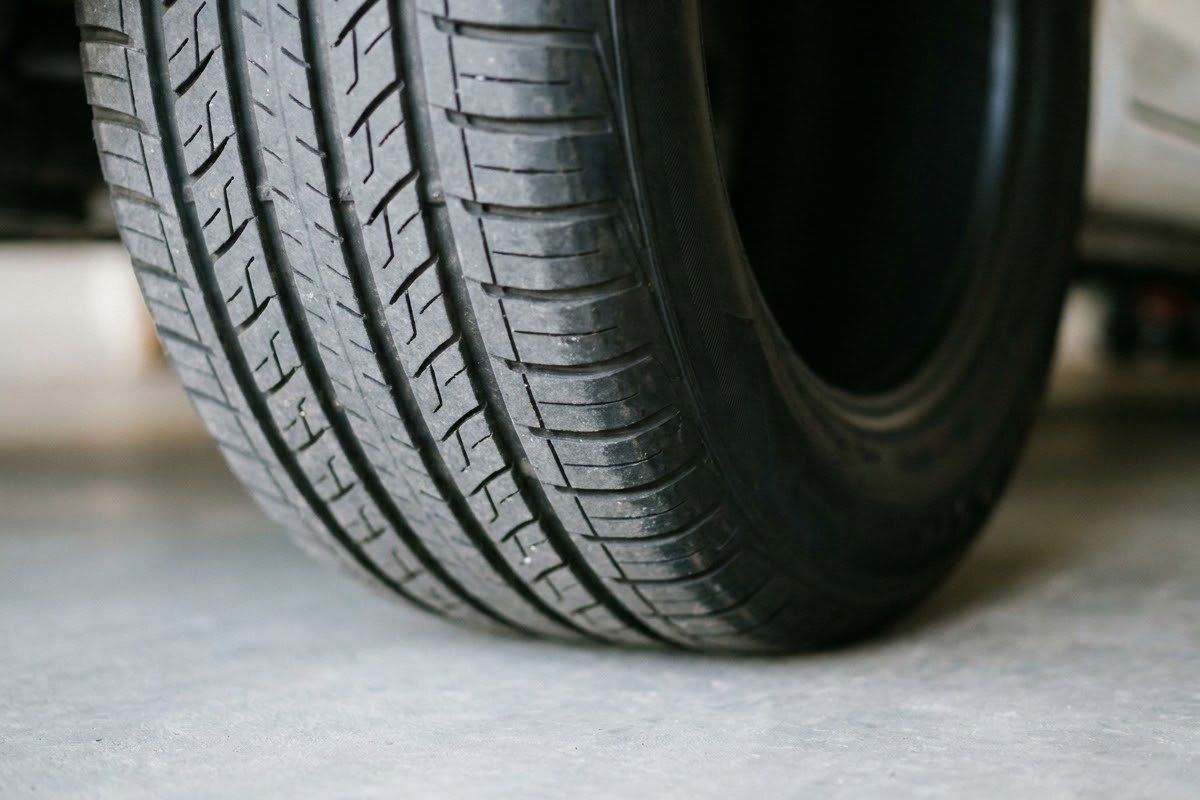
Tire rotation moves each tire to a different wheel position so the four wear evenly. How often depends on your vehicle and your tires, and the owner’s manual is the first place to look. The job itself is covered in the step-by-step rotation guide, and the tire rotation pattern tool shows common patterns by drivetrain.
Short answer: your manual first
Use the interval in your owner’s manual. If it gives none and you want a general guide, Michelin’s standard recommendation is to rotate every 5,000 to 7,000 miles, or every other oil change, and Michelin says the vehicle maker’s guidelines take precedence. Michelin also gives a general range of 6,000 to 8,000 miles in its FAQ. Rotate sooner if you see uneven wear.
What rotation does
Tires wear differently depending on where they sit. Michelin says front tires wear faster because they steer, brake and corner, and that front-wheel-drive cars put extra wear on the front tires. Rotation spreads that wear. Michelin adds that uneven wear can reduce grip, shorten tire life and add noise or vibration.
FWD, RWD and AWD patterns
Michelin describes these common patterns:
- Front-wheel drive: front tires go straight to the rear; rear tires cross to the front.
- Rear-wheel drive: rear tires go straight to the front; front tires cross to the rear.
- All-wheel or four-wheel drive: typically a crisscross pattern, unless the maker specifies otherwise.
Your manual shows the pattern for your car. See the pattern tool for a diagram.
Cars that cannot be rotated the usual way
Directional tires have a rotation arrow and must stay on the same side, moved front to rear only. Michelin says staggered fitments, with wider rear tires, may not allow rotation at all without a size change. Run-flat tires should be fully inspected before rotation. If your front and rear tires are different sizes or your tires are marked with a direction, check the manual or ask a tire shop.
Check pressure and condition while the wheels are off
Rotation is a good time to check tire pressure. fueleconomy.gov says the correct pressure is usually on a sticker in the driver’s door jamb or glove box and in your manual, not the maximum printed on the sidewall, and that properly inflated tires are safer and last longer. Look at each tire for uneven wear, cuts and bulges and note anything unusual for a shop.
DIY or shop
Rotating tires is a common first job, but it needs a safe lift, jack stands and a torque wrench. Follow home rotation steps and the jack safety guide, and read jack-stand and PPE rules. If your car is staggered, has run-flats or you lack stands, a tire shop is the safe choice.
Do not forget the lug nut torque
Tighten lug nuts to the value in your owner’s manual with a torque wrench, in the sequence the manual shows, and recheck them as the manual advises. Under-tightened wheels can come loose; over-tightened ones can damage studs. The manual’s number is the only one that applies to your car. While the wheels are off, take a look at the brakes too; see the brake pads guide.
All Tires And Brakes guides
- Brake Pad Thickness: How to Check It and the Minimum
Brake pad thickness: how to look through the wheel, what Wagner says about 1/4 inch and the wear slot, and why your car's own minimum counts.
- Brake Pads Explained: Types, Wear Signs and When to Replace
What brake pads do, the wear signs to watch (squeal, grinding, thin pads), ceramic vs semi-metallic types and when to see a shop instead of DIY.
- How to Replace Brake Pads: What the Job Involves and When to Call a Shop
What replacing brake pads involves, tools, a step-by-step overview, bed-in, low-speed testing and a clear list of when to leave the job to a shop.
- How to Rotate Tires at Home Safely
How to rotate tires at home: loosen lug nuts on the ground, lift and support the car on jack stands, swap by your pattern and torque to the manual's value.
Quick answers
Can I skip tire rotation?
You can, but tires then wear according to where they are fitted. Michelin says front tires wear faster because of steering, braking and cornering, and that rotation spreads wear across all four tires. Skipping it risks uneven wear that can reduce grip, shorten tire life and add noise or vibration. Follow the schedule in your owner's manual and tire paperwork.
Does rotation affect my tire warranty?
It can. Tire makers publish warranty terms, and Michelin directs readers to its owner's manual for full terms. Some warranties may expect rotation at a set interval and records. Read the warranty booklet that came with your tires, keep dated receipts or notes of each rotation, and follow your vehicle manual's interval as well.
Does the spare tire get rotated?
Only if your owner's manual includes it in the rotation pattern. Many spares are a different type or size and are not meant for regular use, and some vehicles have no spare at all. Check the tire and wheel section of your manual rather than assuming a five-tire pattern.
How often should I rotate if I drive mostly short trips or carry heavy loads?
Michelin says rotation may be needed sooner if uneven wear is noticeable, and cites stop-and-go driving, heavy loads and rough roads. Check the severe-service schedule in your owner's manual, if it has one. Inspect tires when you check pressure. If you see uneven wear, ask a shop to check why.
What pattern should I use for all-wheel drive?
Michelin says all-wheel and four-wheel drive vehicles typically use a crisscross pattern unless the vehicle maker specifies otherwise, so your manual decides. Our tire rotation pattern tool shows common patterns by drivetrain, but if the manual shows a different one, use the manual's.
Can every car be rotated the usual way?
No. Directional tires stay on the same side and move front to rear only. Michelin says staggered fitments, with wider rear tires, may not allow rotation at all without a size change. Run-flat tires should get a full inspection before rotation. Check your manual and tire markings before moving any wheel.
Where we got this
- Michelin: Tire rotation (michelinman.com)
- U.S. Department of Energy, fueleconomy.gov: Maintenance and tire pressure (fueleconomy.gov)
Further guides
- Brake Pads Explained: Types, Wear Signs and When to Replace
What brake pads do, the wear signs to watch (squeal, grinding, thin pads), ceramic vs semi-metallic types and when to see a shop instead of DIY.
- Brake Pad Thickness: How to Check It and the Minimum
Brake pad thickness: how to look through the wheel, what Wagner says about 1/4 inch and the wear slot, and why your car's own minimum counts.
- How to Replace Brake Pads: What the Job Involves and When to Call a Shop
What replacing brake pads involves, tools, a step-by-step overview, bed-in, low-speed testing and a clear list of when to leave the job to a shop.
- How to Rotate Tires at Home Safely
How to rotate tires at home: loosen lug nuts on the ground, lift and support the car on jack stands, swap by your pattern and torque to the manual's value.